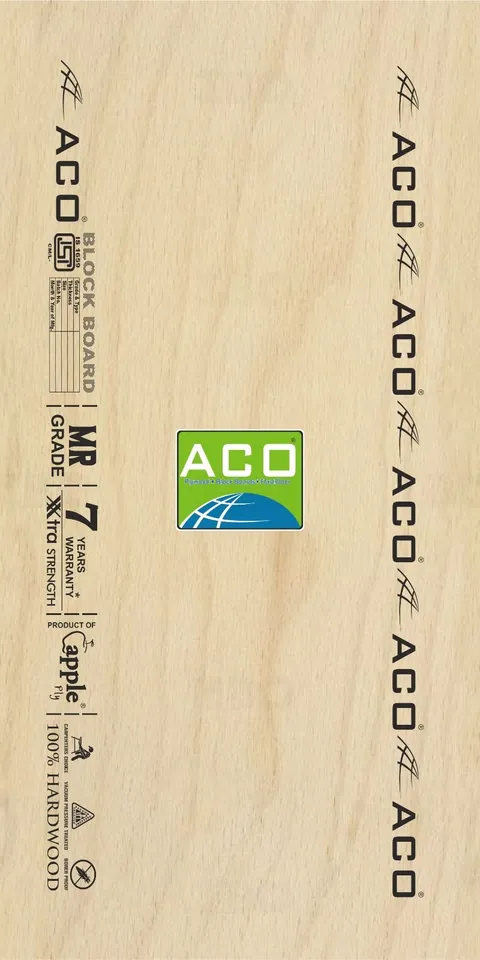
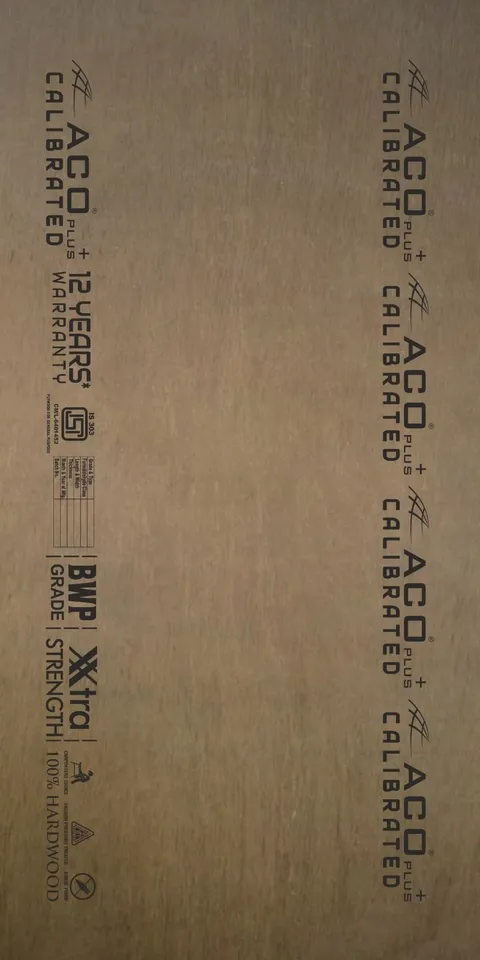
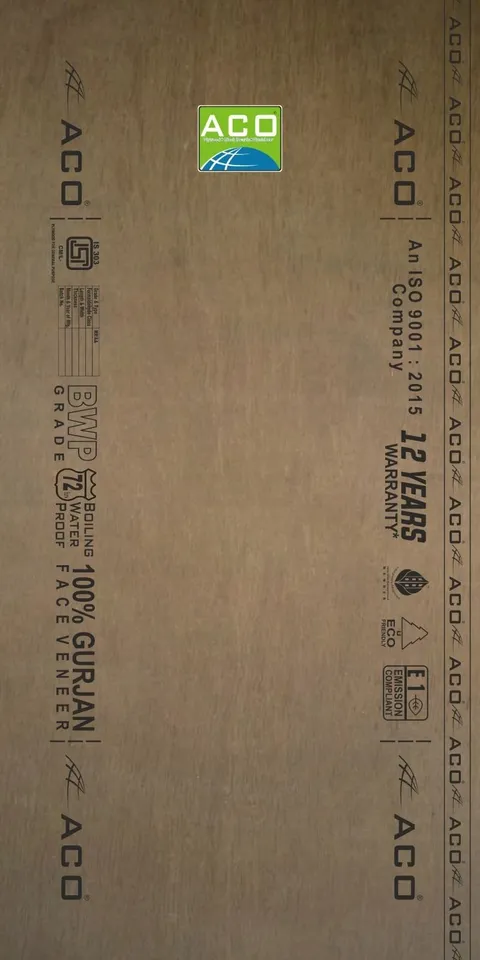
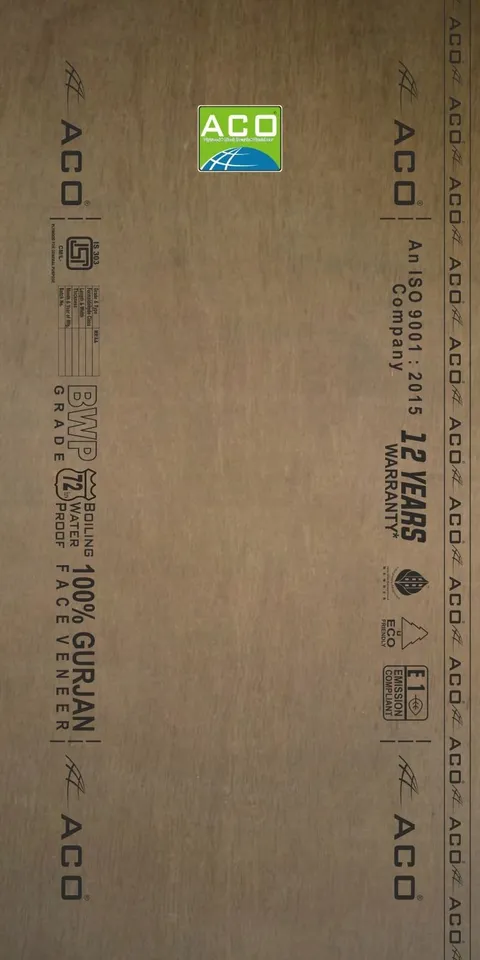
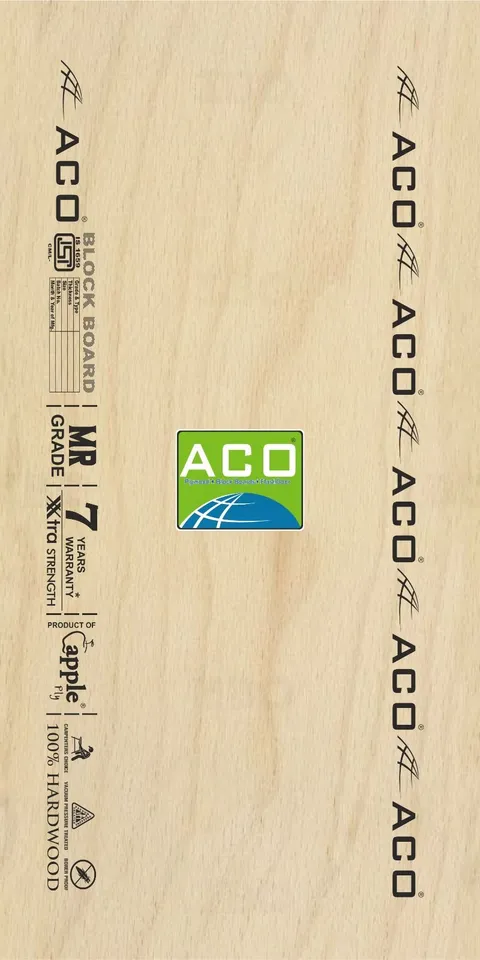
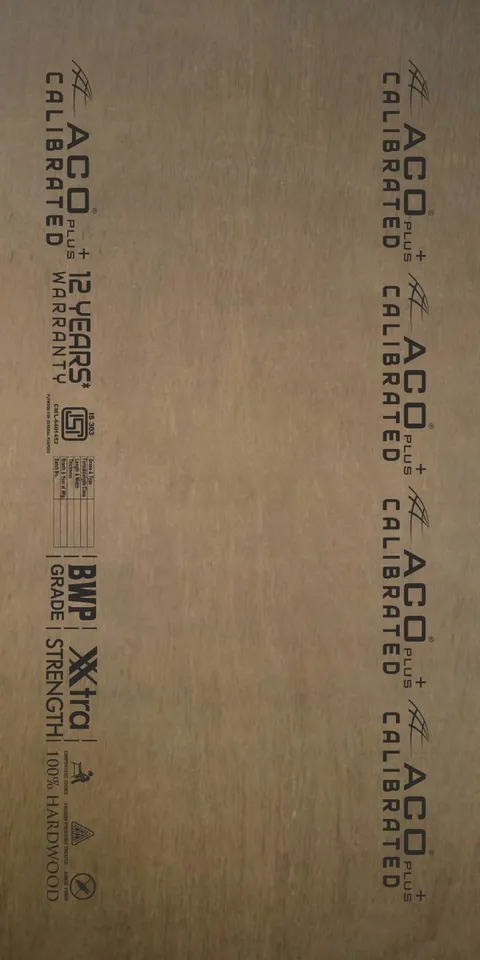
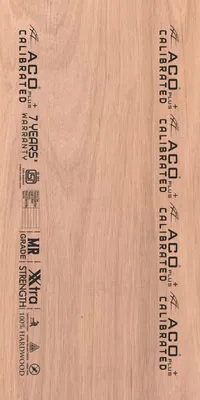
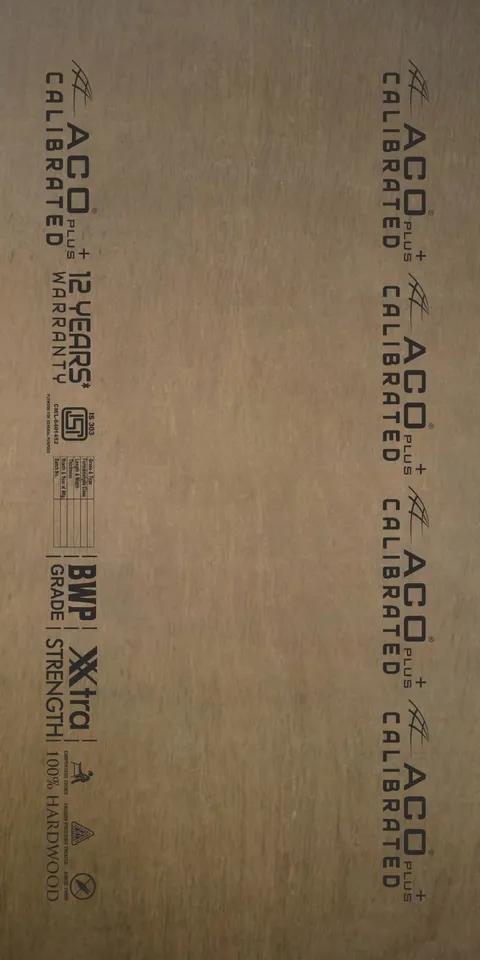
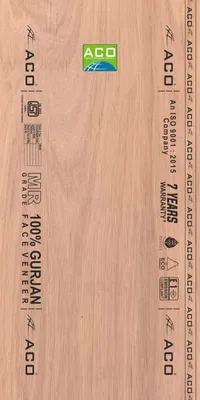
Explore the Best Plywood and Blockboard for Your Needs
Constructing or renovating a space in your property or furniture needs careful consideration of every detail, including the material. Your decision to select a material can make a big difference in terms of strength, aesthetics, cost, and environmental impact. When searching for the right materials, many homeowners begin by looking for a plywood shop near me to compare quality and pricing. Among the many options available, plywood and blockboard are two of the most popular choices for projects that balance durability and affordability. Today, these materials are widely used in furniture construction as well as interior and exterior designs of properties for their affordability and high versatility.
Why Choose Plywood and Blockboard?
People often choose Plywood Blockboard as the dimension of lumber shrinks and expands depending on the weather. Besides, these materials are lighter than wood, and they are easier to paint or polish. Other notable things about Plywood and Blockboard are that they are quick to set up and easier to cut. Therefore, joints can be made quite easily. Now let’s look at the main reasons for choosing Plywood and Blockboard.
- * Strength and Durability: Plywood and Blockboard are often used in different types of demanding jobs due to their strength and durability.
- * Versatile Applications: Both of these materials have versatile applications. Some of the popular uses of Plywood are construction, furniture, interiors, etc. The popular uses of Blockboard are furniture, interior walls, dividers, etc.
- * Moisture and Termite Resistance: Although both of these materials are moisture and termite-resistant, Plywood can withstand moisture and termite better compared to Blockboard, especially when treated with specific preservatives or coatings.
Applications of Plywood and Blockboard
Plywood and Blockboard are two engineered wood materials, known for their different applications. Being more durable and stronger, Plywood is widely used in flooring, construction, and furniture making. On the other hand, Blockboard is comparatively lighter and cost-effective. Therefore, this material is widely used in indoor furniture, doors, and partitions. Here are some details of the common applications of Plywood and Blockboard.
- * Furniture Making
Plywood is a popular choice in furniture making for its durability and moisture-resistant nature. It is widely used in making panels, doors, cabinets, etc.
Blockboard is a popular choice for making indoor furniture like wardrobes, doors, cabinets, bookshelves, etc.
- * Interior and Exterior Paneling
Being a versatile material, Plywood is widely used for both interior and exterior wall paneling, while offering ease of installation, high durability, and aesthetic appeal to your property. For exterior paneling, exterior-grade Plywood like BWR (Boiling Water Resistant) or BWP (Boiling Water Proof) is used. They protect the structures from weather effects and offer a customizable and sturdy finish.
The Blockboard is not suitable for outdoor paneling as it is not perfect for long-term and direct exposure to moisture. However, this material is widely used for indoor paneling because of features like resistance to warping and dimensional stability.
- * Kitchen and Wardrobe Solutions
Plywood is one of the most versatile and popular materials used in kitchen and wardrobe solutions with its durable, strong, and moisture-resistant nature. The layered structure of this material allows for different finishing choices and easy customization. Apart from that, Plywood is also considered as a budget-friendly alternative to solid wood by offering similar durability and aesthetic appeal.
Features like stability, strength, and affordability make Blockboard a perfect choice for kitchen and wardrobe solutions. This material is widely used for doors, cabinets, panels, and shelves, offering a durable and solid foundation for these applications.
- * Office and Commercial Use
Plywood is largely used in office and commercial settings for its features like durability, versatility, and cost-efficiency. The common uses of Plywood in office and commercial settings are furniture, wall paneling, storage solutions, and decorative elements. The use of this material in offices and commercial areas enhances both the functionality and aesthetics of these areas.
As a sturdy and versatile material, Blockboard is often used in offices and commercial spaces for different applications like doors, furniture, and wall panels. Additional features like stability, strength, and ease of working make this type of engineered wood a popular choice for creating aesthetically pleasing and durable structures.
Plywood vs. Blockboard – Which One to Choose?
Both Plywood and Blockboard are important materials used for different purposes. This table describes the common differences of both materials to help you get the right one according to your needs.
Details To Compare | Plywood | Blockboard |
Uses | The popular uses of Plywood are in construction, furniture, and interior design. | Blockboard is popularly used in constructing furniture, interior doors, and partition walls. |
Sizes | Plywood is available in different sizes. 1220 mm x 2440 mm (4 ft x 8 ft) is one of the most popular ones. | Blockboard is available in different sizes. One of the most popular ones is 2400 mm x 1200 mm (8 ft x 4 ft). |
Price | Plywood is costlier than Blockboard. | Blockboard is more cost-effective than Plywood. |
Material | Thin piles or layers of wood veneer are glued together using high temperature and high pressure to make Plywood. These veneers can be made of both hard and softwoods. | A Blockboard is made using solid blocks of wooden battens. These battens are squeezed in two thick layers of wood veneer using high pressure and high temperature. |
Strength | The cross-grain structure of Plywood makes it stronger and makes it ideal for those applications, which need high load bearing capacity. | With a softwood core, the Blockboard is lighter, yet more prone to bending. Therefore, it is not suitable for horizontal construction or heavy loads. |
Buy Premium Plywood and Blockboard Online
When it comes to buying Plywood Blockboard online, there are several suppliers in the market. However, if you need a premium product, IBO is one of the names you can count on. IBO offers a wide range of sustainably manufactured and high-quality Plywood and Blockboards. They are made using innovative methods and by harnessing the power of the latest technology. Besides, they are tested on high physical and mechanical parameters for their stiffness, strength, load capacity, and outlook, which makes Plywood and Blockboard offered by IBO stand apart in quality and craftsmanship.
FREQUENTLY ASKED QUESTIONS
- 1. What is the difference between Plywood and Blockboard?
The main difference between Plywood and Blockboard is that Plywood is made of thin wooden layers, also known as veneers, which are glued together with the grain direction alternating in every layer. On the contrary, the core of the Blockboard is made of blocks or solid wood strips, which are sandwiched between two layers of veneers. This difference causes variations in the weight, strength, and suitability of both materials for various applications.
- 2. Which is stronger, Plywood or Blockboard?
Plywood is comparatively stronger than Blockboard due to its construction that involves attaching thin wooden layers with alternating directions of grain and creating more resistant and stable structures.
- 3. Is the Blockboard water-resistant?
Yes, the Blockboard can be water-resistant, especially when BWP or Boiling Water Proof grade resin is used to bond the strips. Even though this material is not naturally moisture-resistant, it still offers decent resistance to moisture. This is why it is ideal for indoor applications.
- 4. Can I use Plywood for outdoor applications?
Yes, types of Plywood like marine-grade plywood, pressure-treated plywood, and exterior-grade plywood are widely used in different outdoor projects like outdoor furniture, sheds, decks, fences, and more.
- 5. Which is better for furniture, Plywood or Blockboard?
For furniture construction, Plywood is a comparatively better choice than Blockboard because of its high durability, stability, and budget-friendliness.